
The Dynamics and Neural Systems Group is an interdisciplinary research team in the School of Physics at The University of Sydney led by A/Prof. Ben Fulcher.
We are located at The University of Sydney, which has a beautiful campus full of intelligent people and a vibrant interdisciplinary community that includes researchers in physics, maths, statistics, computer science, engineering, psychology, physiology, and biomedical science, all investigating the brain.
We are a part of Complex Systems Physics. Being an interdisciplinary group, we collaborate closely with diverse researchers, including information theory (like Joe Lizier), systems neuroscience (like Mac Shine), and consciousness (like Nao Tsuchiya).
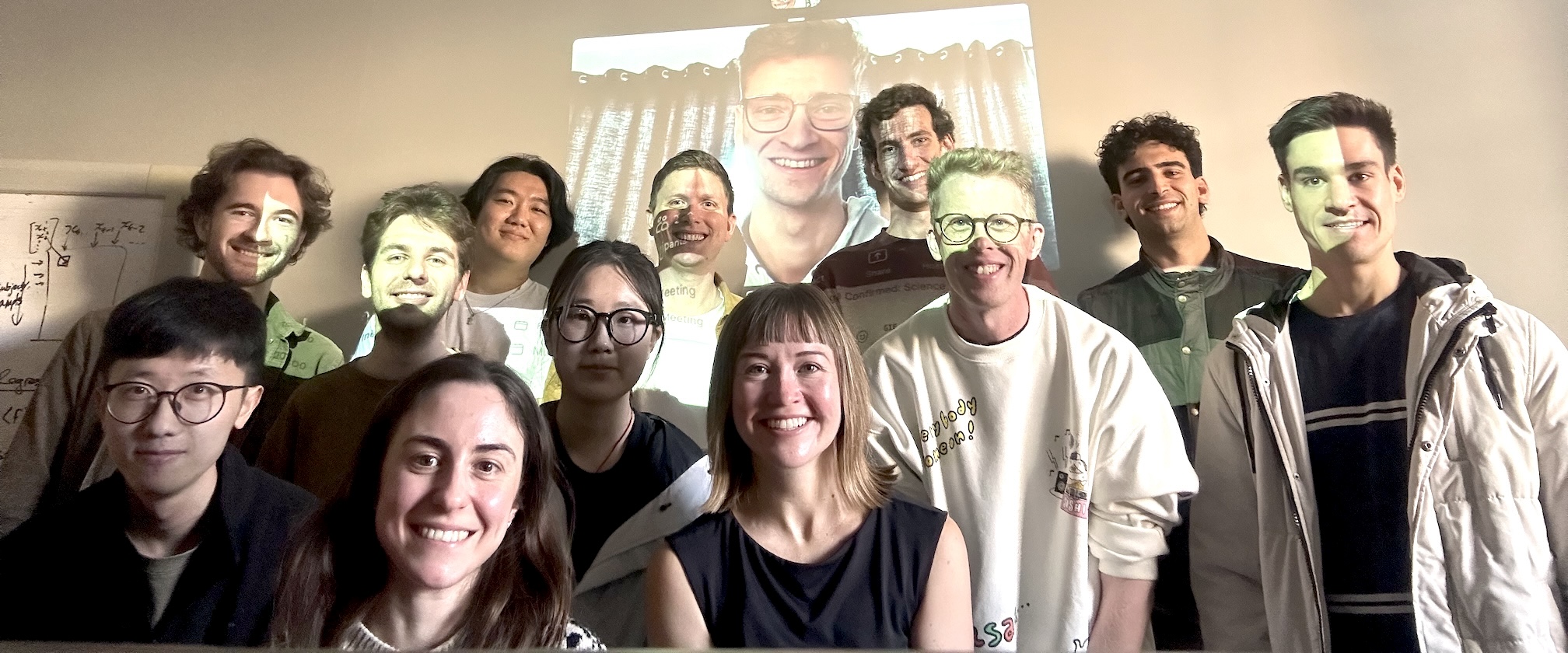

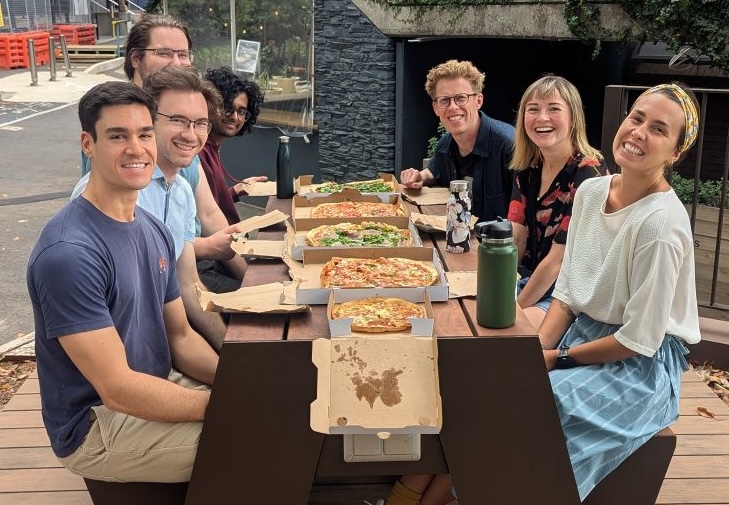
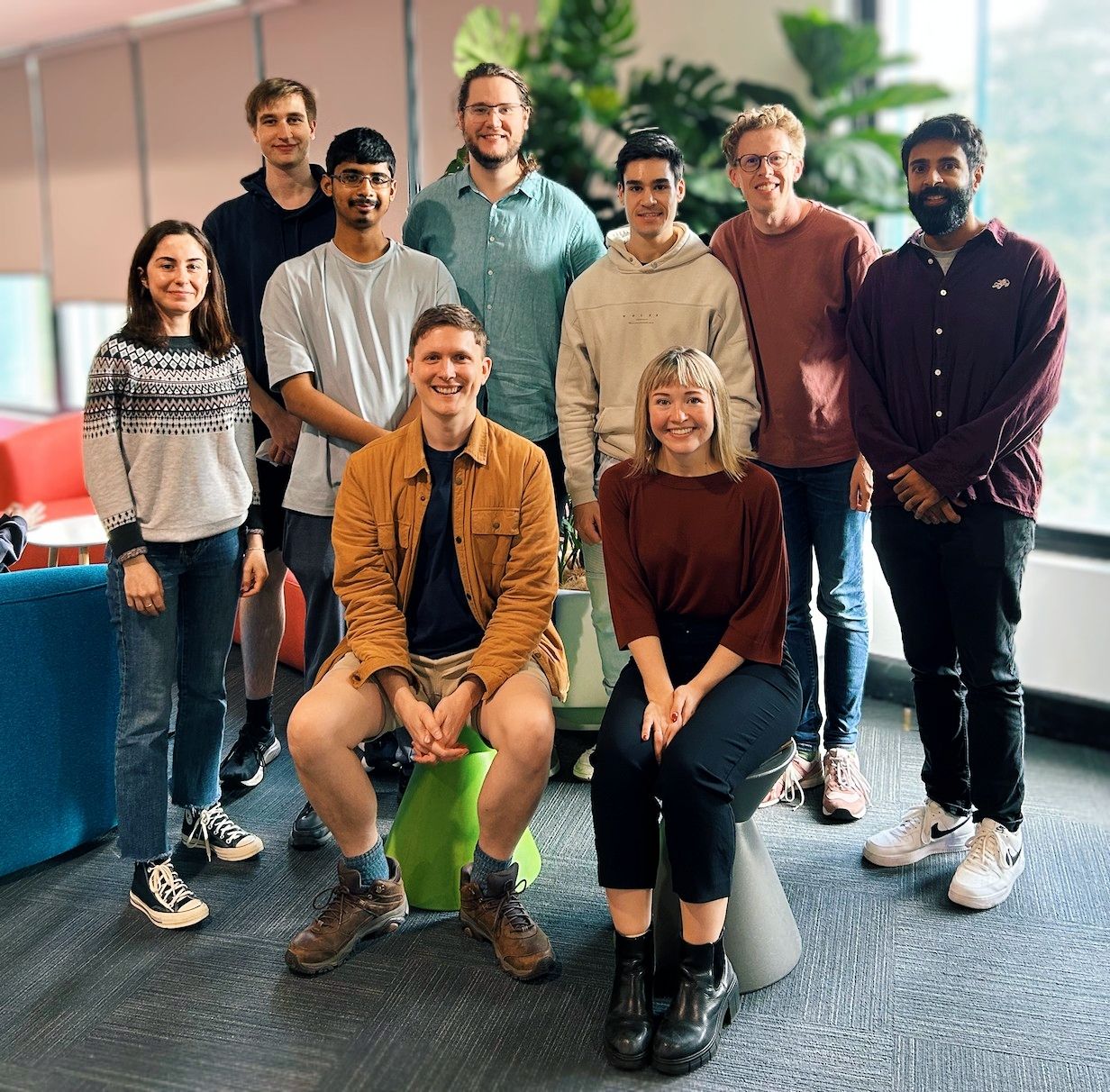
We do quantitative research focused on understanding the properties of complex dynamical systems by applying (and developing new) physical and statistical methods. We think it's fun study such systems in general, but we also aim to apply these tools through collaborations with other scientists. The most common application is to neuroscience where we aim to gain a quantitative, physically based understanding of how the brain works. Check out our publications page for more details.
Our group aims to search across disciplinary boundaries for new types of problems to tackle, and thus emphasizes training in creative, interdisciplinary thinking, and broad, clear, and accessible communication.
We foster an environment that nurtures research students to independently produce creative and high-quality research. We believe that researchers thrive when students are free to align their goals with their passions. Our culture embodies these beliefs by balancing traditional academic activities with creative ones, and we prioritize individual growth and team integration.
We keep an active website containing general research advice across a range of topics here.
Rishi's paper on how fast-conducting non-local projections shape geometrically constrained cortical dynamics is now published in PLOS Computational Biology: Paper.
Kieran's new preprint on inferring time-varying parameters from non-stationary systems using feature-based slow feature analysis is out :)
New preprint from Trent on statistical comparisons of time-series feature sets on classification tasks is out.
Josh's pyhctsa paper, a Python package for highly comparative time-series analysis, is now published in the Journal of Open Source Software: Paper.
Welcome to three new postdocs: Xiaobo, Brendan, and Nic, who all started recently!
Congratulations to Josh and Hugo for the acceptance of their matrix product states for time-series machine learning paper!
Congratulations Annie on her PhD acceptance! And welcome to new postdoc Nic Barabara :)
New preprint from Annie on unifying concepts in information-theoretic time-series analysis is out.
New preprint on applying overlapping community detection methods to brain network data is out.
 Dynamics and Neural Systems Group